FIBA’s strategic priorities continued to advance across the Oceania region, with National Federations strengthening their systems, women’s leadership pathways expanding, and competitions delivering meaningful high‑performance opportunities at both senior and youth levels.
The period featured significant progress across Basketball for Good initiatives, governance partnerships, and technical development programs that are building stronger, more resilient structures for the sport. On court, Oceania teams gained valuable international exposure through World Cup qualifying windows and regional youth championships, while off the court, integrity and leadership initiatives reinforced the region’s commitment to safe, inclusive, and well‑governed basketball environments.
Together, these developments highlight a coordinated regional effort to elevate pathways, empower communities, and drive sustainable growth for basketball across Oceania.
EMPOWER NATION FEDERATIONS
FIBA in Oceania continued to strengthen National Federations through targeted development initiatives that build capability, confidence, and long‑term sustainability.
A new partnership in Palau is expanding pathways for young players and supporting the federation to deliver more structured participation opportunities, reinforcing the role of basketball as a tool for community development.
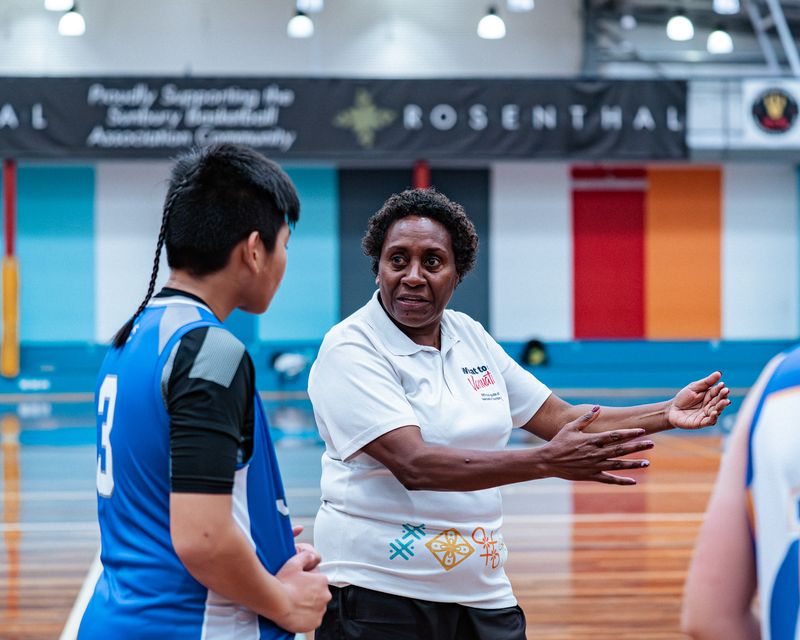
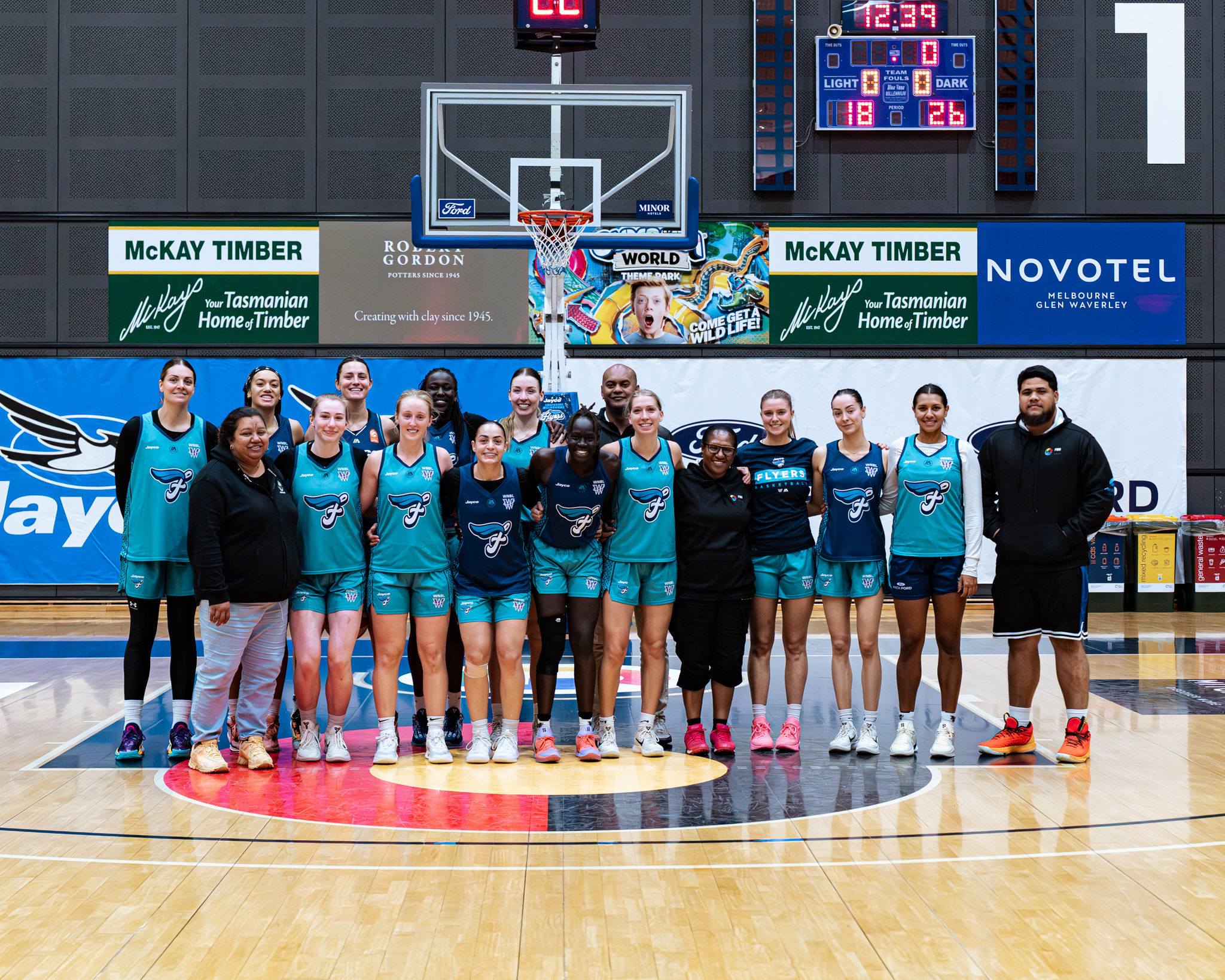
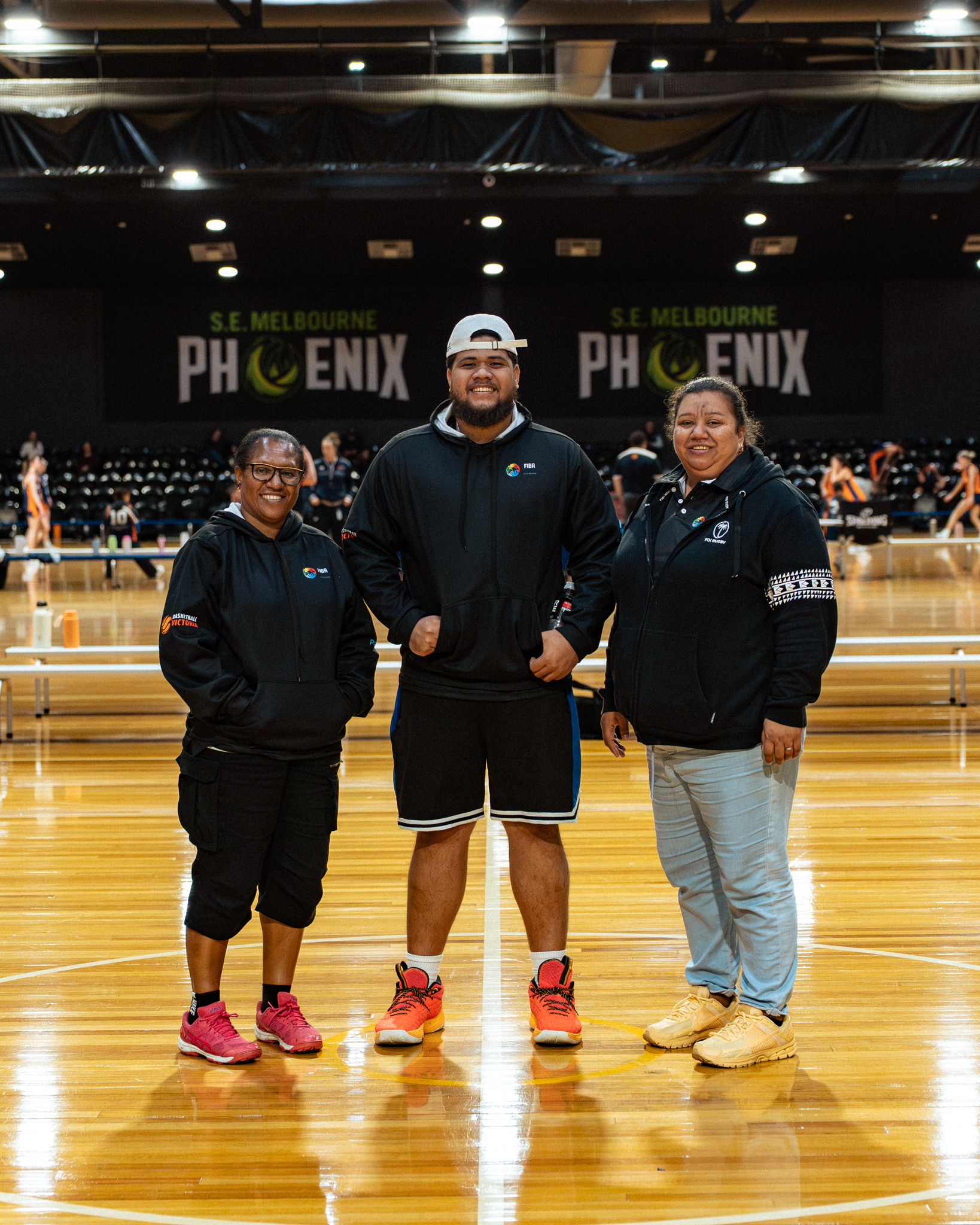
In Fiji, the Marty Handson Coaching Program elevated an emerging local coach by providing hands‑on experience and mentorship within a high‑performance environment, directly contributing to the nation’s coaching depth.
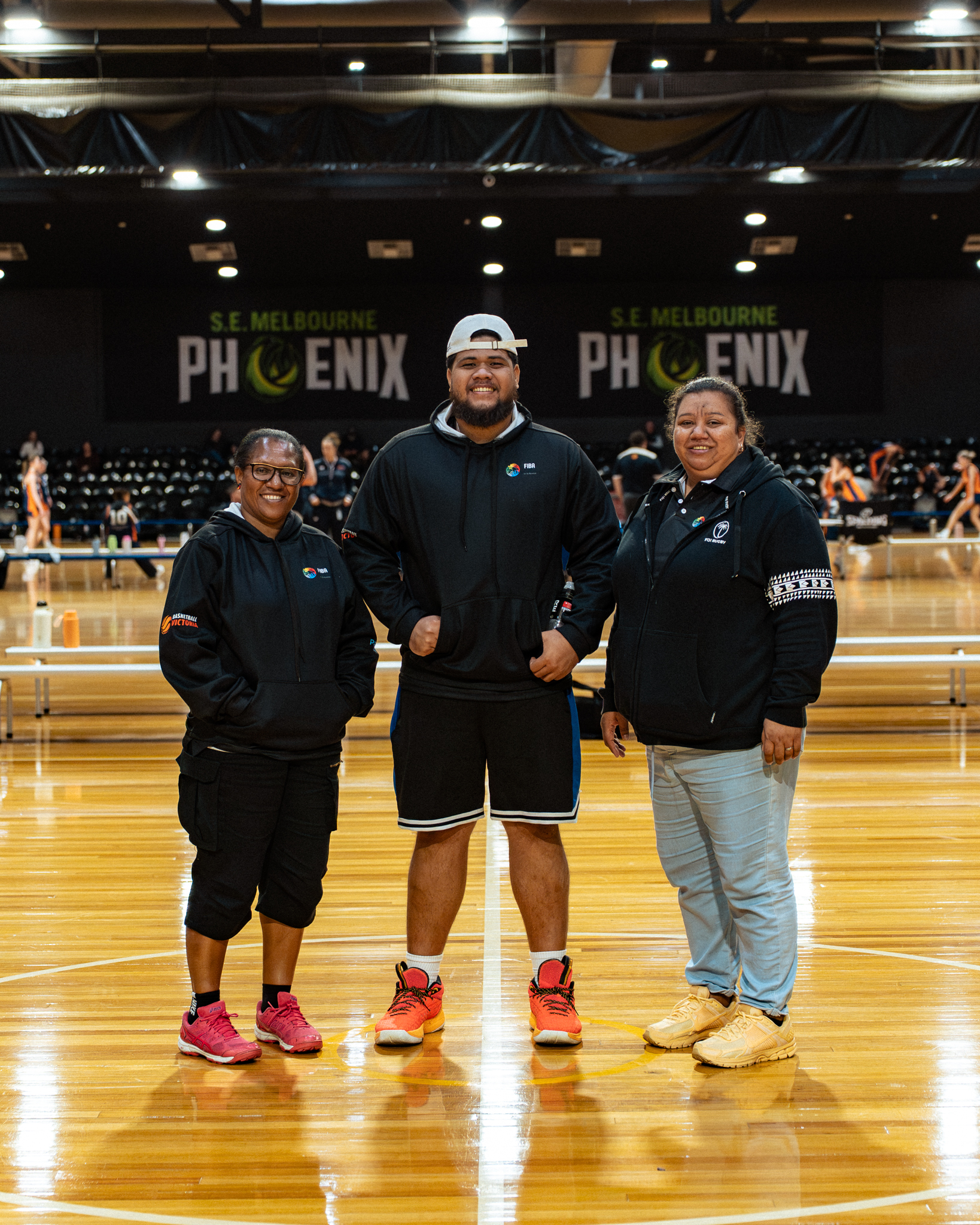
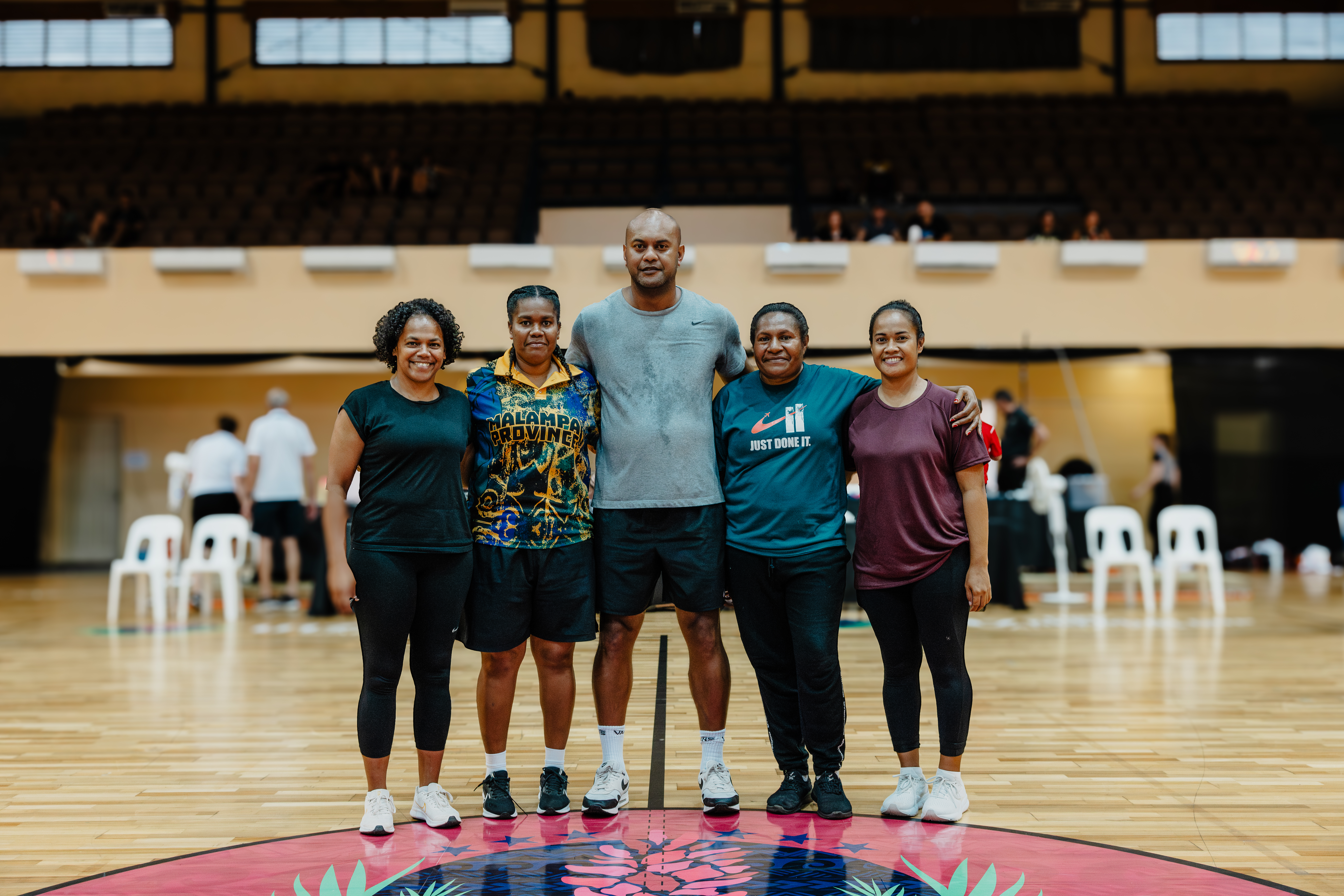
Referee development also advanced through the Emerging FIBA Referee Leaders initiative, which is preparing a new cohort of officials to guide officiating standards and support NF‑led delivery across the Pacific.
Basketball New Zealand and Basketball Australia strengthened their trans‑Tasman collaboration through a new integrity partnership designed to enhance safeguarding, education, and governance standards across both systems. The initiative aligns with global best practice and reinforces a shared commitment to athlete wellbeing, fair play, and safe sporting environments.
WOMEN IN BASKETBALL
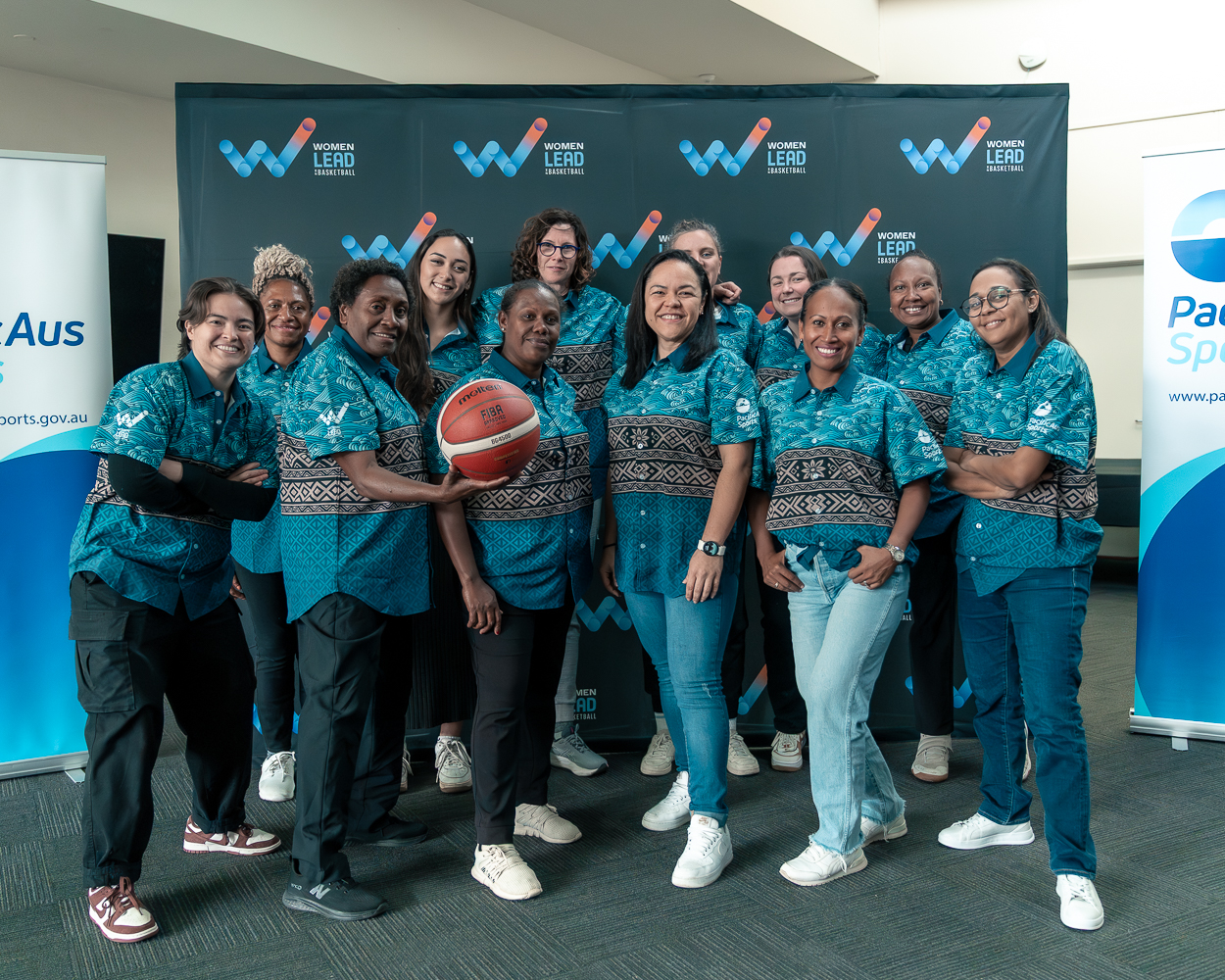
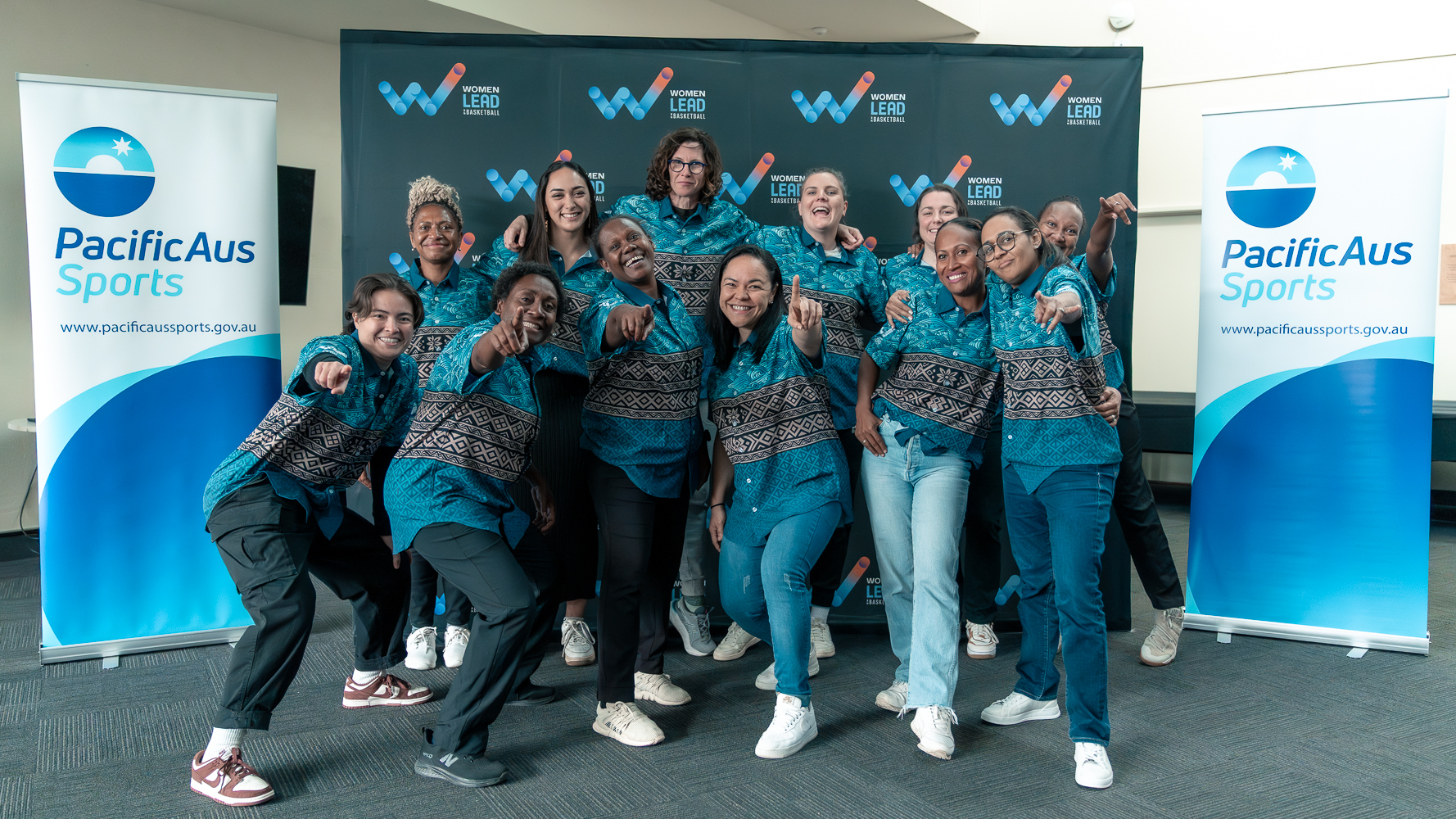
The Women in Basketball strategy continued to gain momentum across Oceania, with new opportunities emerging for women leaders, coaches, and community champions. Oceania representatives selected for the FIBA Women in Basketball Leadership Program supported by Molten are receiving tailored leadership development designed to strengthen their influence within their federations.
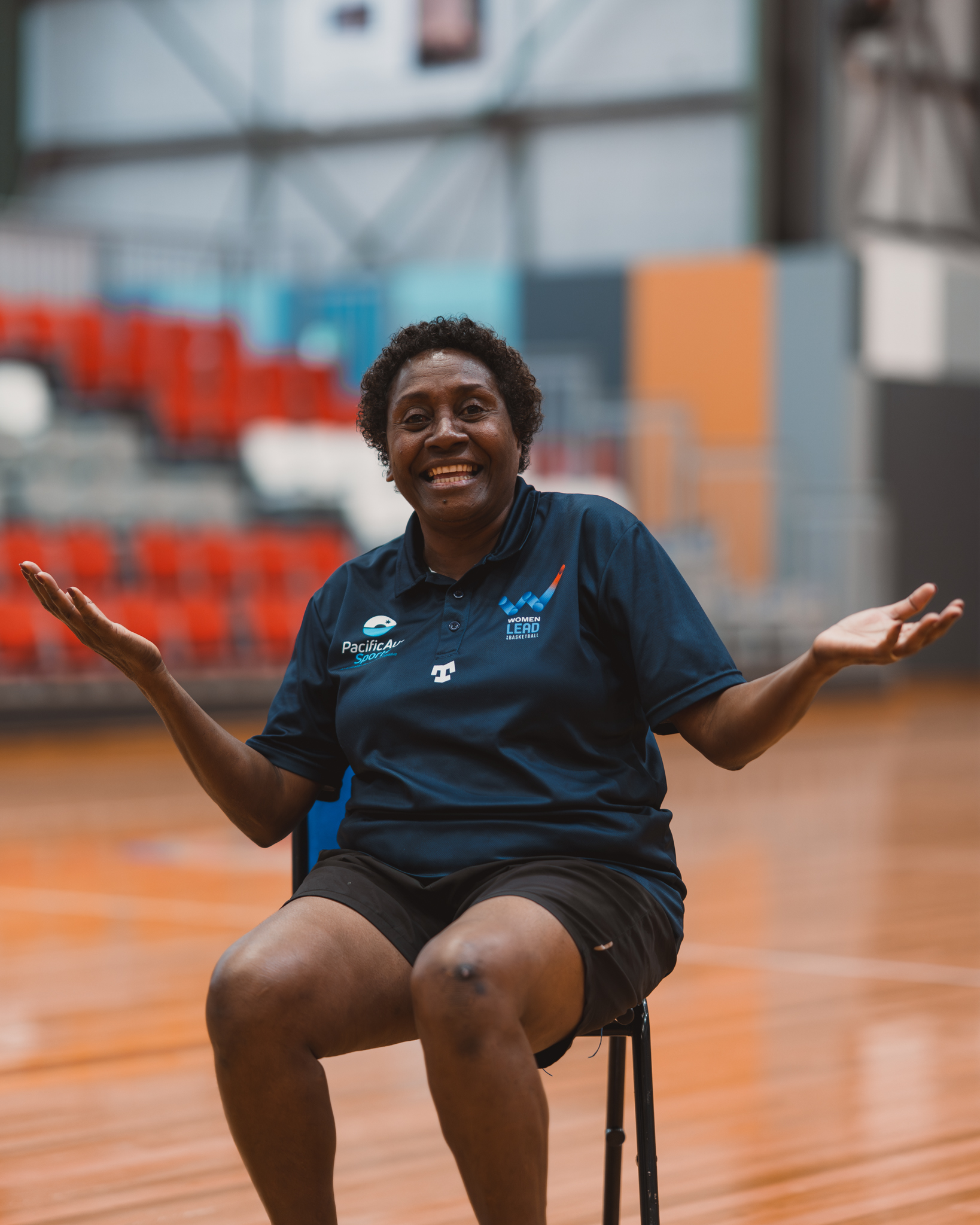
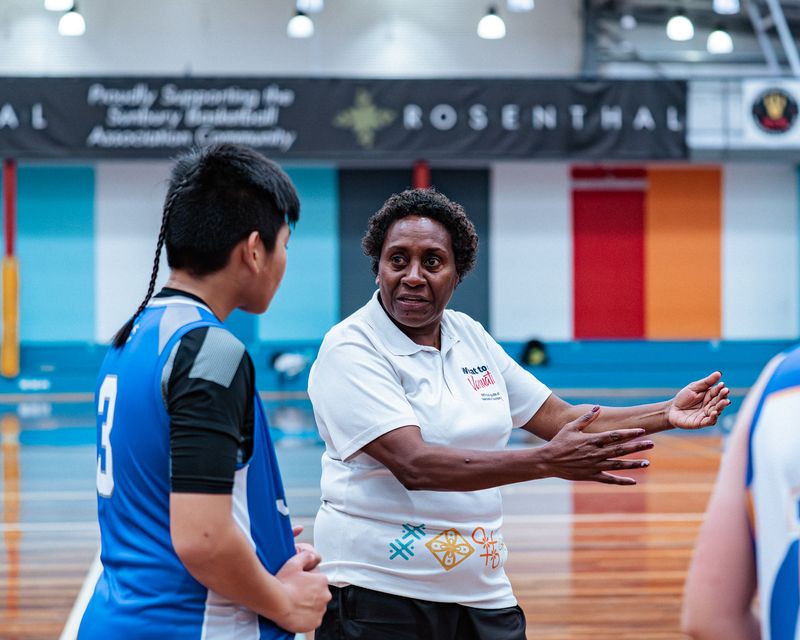
Mildred’s leadership journey further illustrates the impact of targeted support, as she continues to grow her confidence and capability through the Women in Basketball Program.
The announcement of Samoa and Solomon Islands participants for the 2026 She Hoops Program expands this momentum, ensuring more women across the region can access development pathways that build skills, visibility, and long‑term leadership.
COMPETITIONS
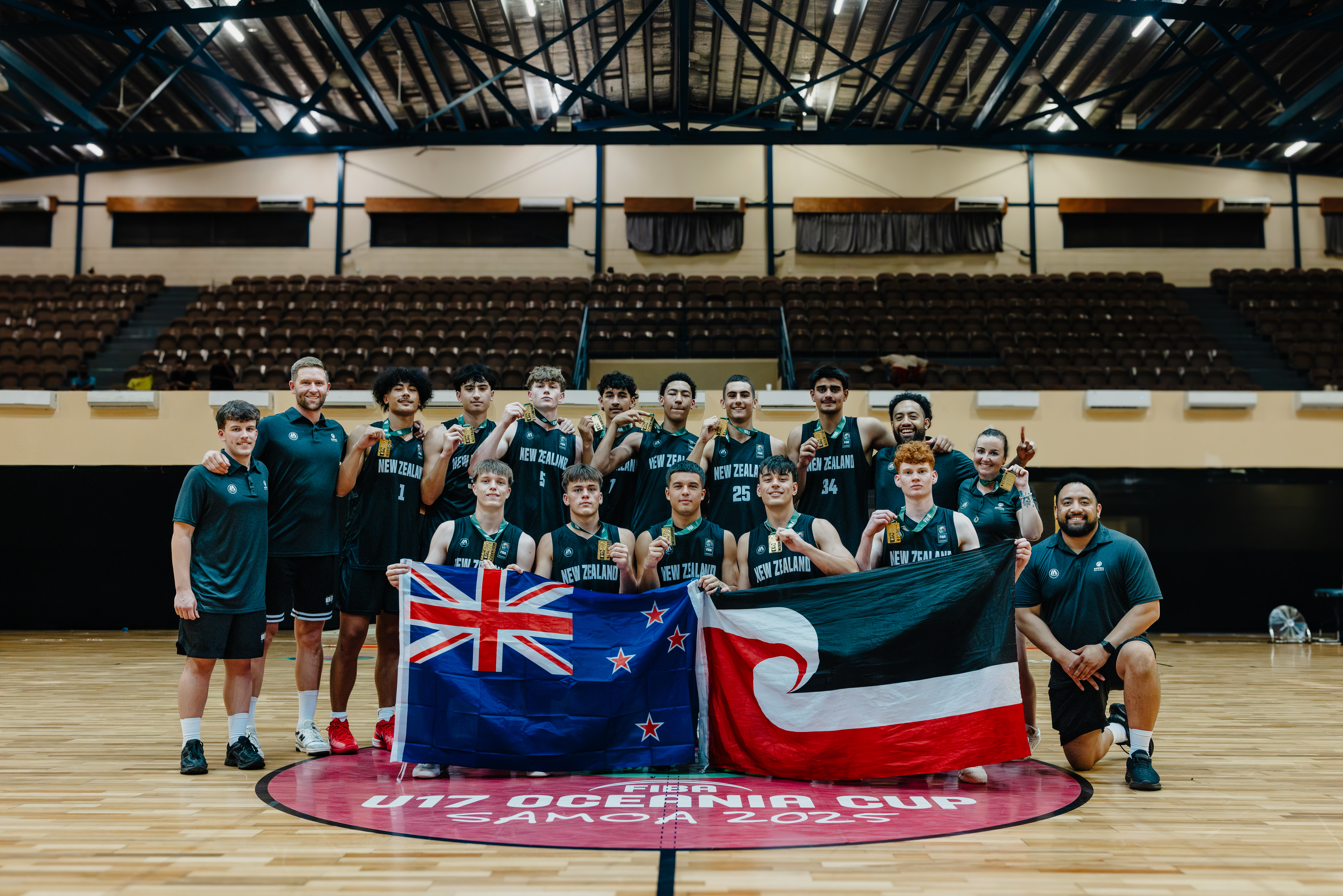
New Zealand made history at the FIBA U17 Oceania Cup 2025, claiming their first‑ever title with a statement performance that saw them overturn previous results and secure a breakthrough championship for the program. The tournament also spotlighted rising talent, with Hoani Ifopo‑Togia earning MVP honours and leading the All‑Star Five after a dominant campaign that showcased his scoring ability and composure on the international stage.
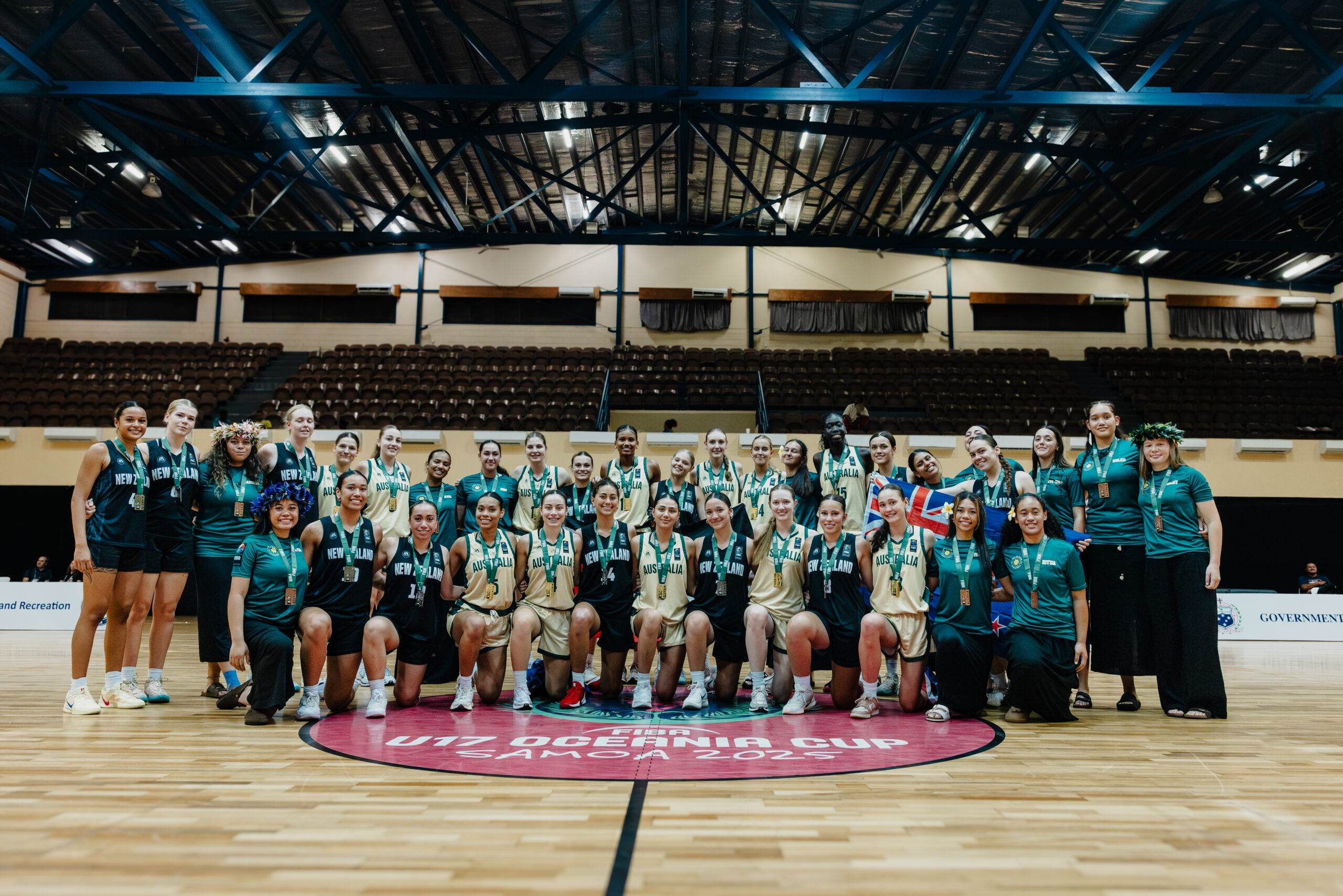
In the women’s competition, Australia continued their regional dominance by securing their fourth straight FIBA U17 Women’s Oceania Cup title, reinforcing the strength of their youth pathway. The event also highlighted standout individual performances, with Fagan named MVP and headlining the All‑Star Five after an impressive all‑round tournament. Both region FIBA youth events provided critical competitive exposure for emerging athletes and strengthened the development pipeline feeding into future FIBA Asia Cups and FIBA Youth World Cups qualification cycles.
On the women’s side, Australia continued their strong build‑up to the FIBA Women’s Basketball World Cup 2026, using the Qualifying Tournament in Istanbul as a crucial preparation phase despite having already secured their place in Berlin by winning the 2025 FIBA Women’s Asia Cup. The Opals delivered a composed and high‑quality campaign, highlighted by Sami Whitcomb earning the TISSOT MVP award for her leadership and scoring impact. Unfortunately, the women from New Zealand were unable to make it past the Qualifying Tournament phase.
The FIBA Basketball World Cup 2027 Asian Qualifiers continued to deliver high‑intensity matchups, with the March window showcasing strong performances across the region. Both Australia and New Zealand were undefeated at the Window with Guam successfully hosting two games at the University of Guam stadium.
Basketball Australia announced that the Australian Boomers will host a FIBA World Cup 2027 Asian Qualifiers double‑header in Perth this July with matches against Guam and the Philippines.
3×3
The 3×3 pathway continues to expand, with New Caledonia set to host the FIBA 3×3 Youth Nations League in June, an important qualifier for the FIBA 3×3 U23 World Cup. Teams from New Caledonia, Fiji, Tonga, and Solomon Islands will compete, giving young athletes meaningful international experience and strengthening the region’s presence in one of basketball’s fastest‑growing formats
YOUTH BASKETBALL
Youth development remained a central pillar of regional strategy, highlighted by the work of FIBA Foundation Youth Leaders who are using basketball to drive positive social change. Through community‑led initiatives, these young leaders are promoting education, wellbeing, and inclusion, demonstrating how basketball continues to serve as a powerful platform for empowerment across the region.