FIBA’s strategic priorities continued to accelerate across Oceania, with National Federations strengthening their systems, women’s leadership pathways expanding, and competitions delivering meaningful high‑performance opportunities at senior, youth, and 3×3 levels. The period showcased coordinated regional progress across safeguarding, inclusion, governance, and on‑court performance, reinforcing Oceania’s commitment to safe, equitable, and sustainable basketball environments.
This momentum was further highlighted by the recognition of FIBA Oceania Honorary President Burton Shipley, who received a national honour for his long‑standing service and leadership across the region.
EMPOWER NATIONAL FEDERATIONS
Safeguarding and governance took a major step forward with the launch of FIBA’s new online safeguarding reporting and education tool, which has already secured strong global engagement. The rollout of the FIBA Speak Up confidential reporting platform further strengthens integrity systems across the region, giving athletes, coaches, and administrators a secure pathway to raise concerns and uphold safe sporting environments.
Basketball for Good initiatives continued to expand, with Basketball Fiji championing inclusive spaces through the Basketball for Equality program, creating opportunities for people of all abilities to participate and connect through the sport. Globally, the release of the Basketball for Good Impact Report highlighted how Oceania-led community programs are contributing to worldwide social change.
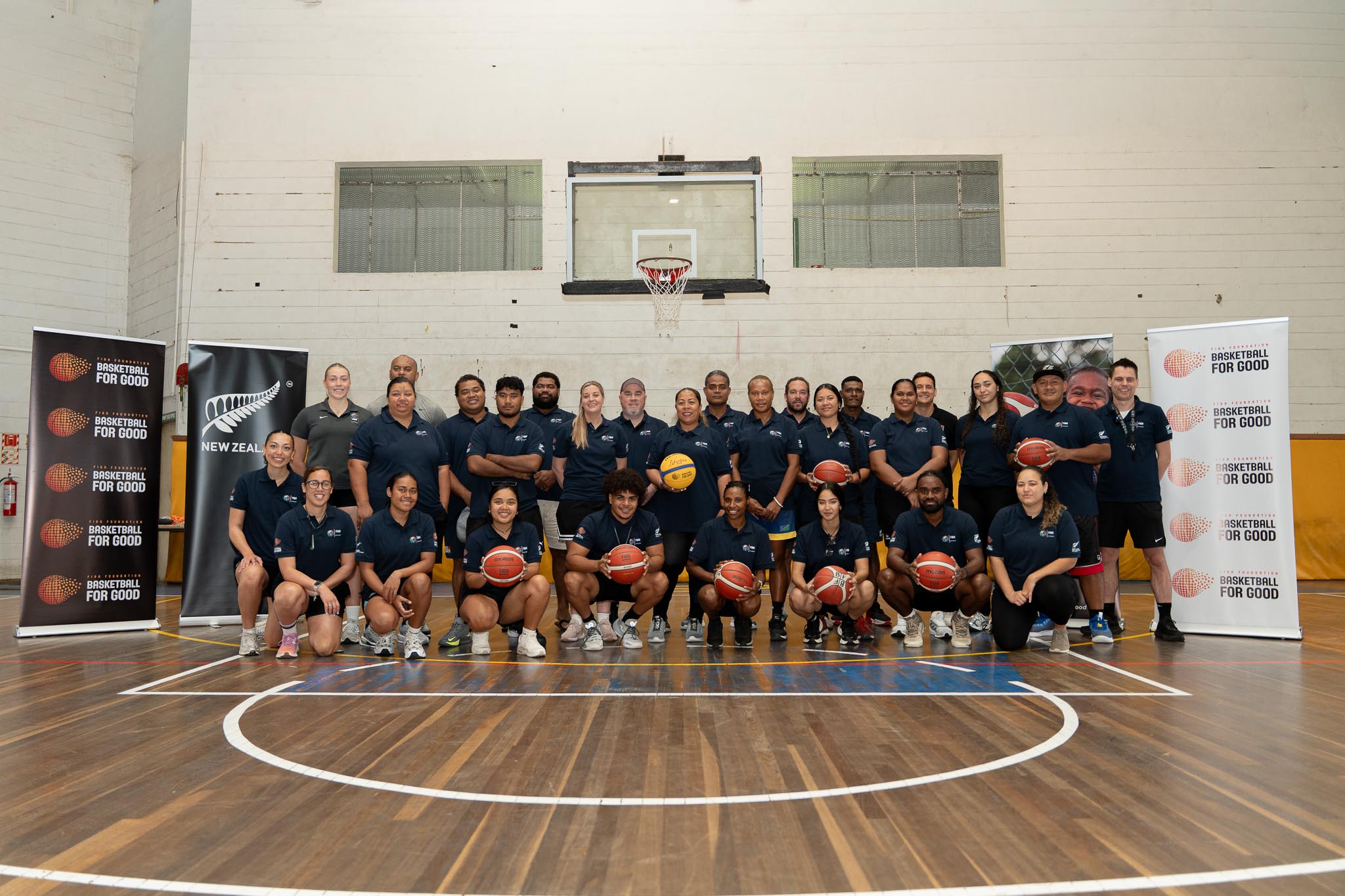
Capacity building remained a core focus, with Fiji hosting an inaugural Basketball for Good Facilitators Workshop in the region, equipping local leaders with tools to deliver community-driven impact.
In the Solomon Islands, a WABC coaching course strengthened elite coaching pathways and supported the next generation of FIBA-level coaches across the Pacific.
WOMEN IN BASKETBALL
Women’s leadership development continued to gain momentum, with FIBA in Oceania delivering the 2026 Women in Basketball Lead Program, bringing together emerging leaders from across the region. The program’s wrap-up spotlighted participants like Winnie Laora, whose journey reflects the growing confidence and capability of women stepping into influential roles. Internship recipients were also announced, providing hands-on professional experience within FIBA systems.
Stories from previous program editions continued to resonate, including Gloria’s leadership growth in Solomon Islands, demonstrating the long-term impact of sustained development pathways. In Papua New Guinea, Women in Basketball alumni are driving grassroots participation and community engagement, reinforcing the program’s ripple effect across local environments.
COMPETITIONS
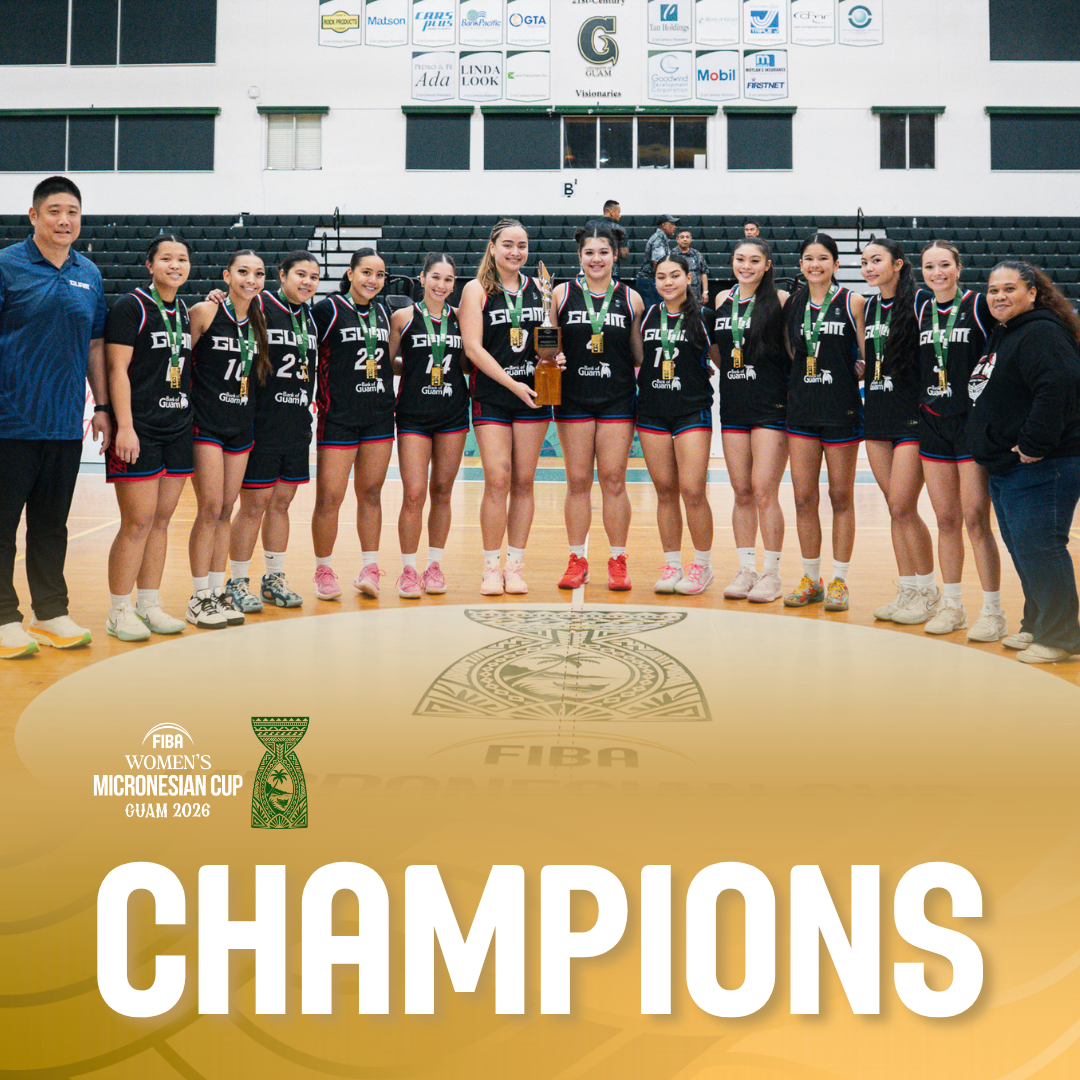
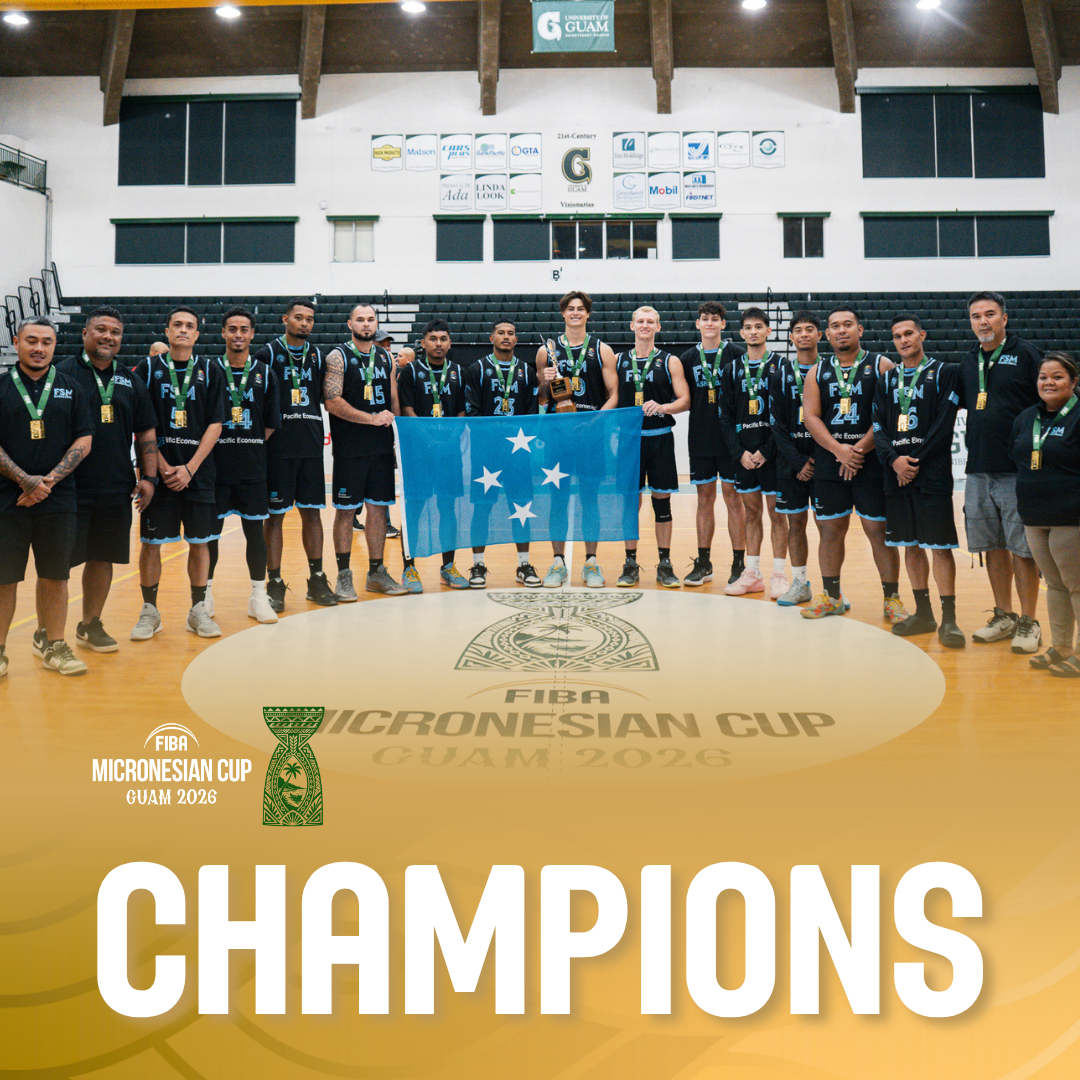
The FIBA Micronesian Cups delivered historic results, with Guam crowned women’s champions and FSM securing their first-ever men’s title to qualify for Pacific Games in Tahiti 2027. Preparations for that event advanced with the launch of the FIBA Polynesian Cup and FIBA Women’s Polynesian Cup logo and website, showcasing the cultural identity of the upcoming tournament.
On the global stage, the New Zealand women completed their campaign at the FIBA Women’s Olympic Pre-Qualifying Tournament in Mexico, while both Australia and New Zealand men progressed through the next phase of the FIBA Basketball World Cup 2027 Asian Qualifiers.
Australian teams also featured strongly at the FIBA Masters Open in Hellas, adding valuable international exposure for senior athletes.
3×3
The 3×3 pathway surged forward across Oceania. New Caledonia hosted the FIBA 3×3 Youth Nations League, where Tonga made history, sweeping both men’s and women’s divisions to qualify for the FIBA 3×3 U23 World Cup. The region’s high-performance pipeline was further strengthened through the 3×3 High-Performance Camp on the Gold Coast.
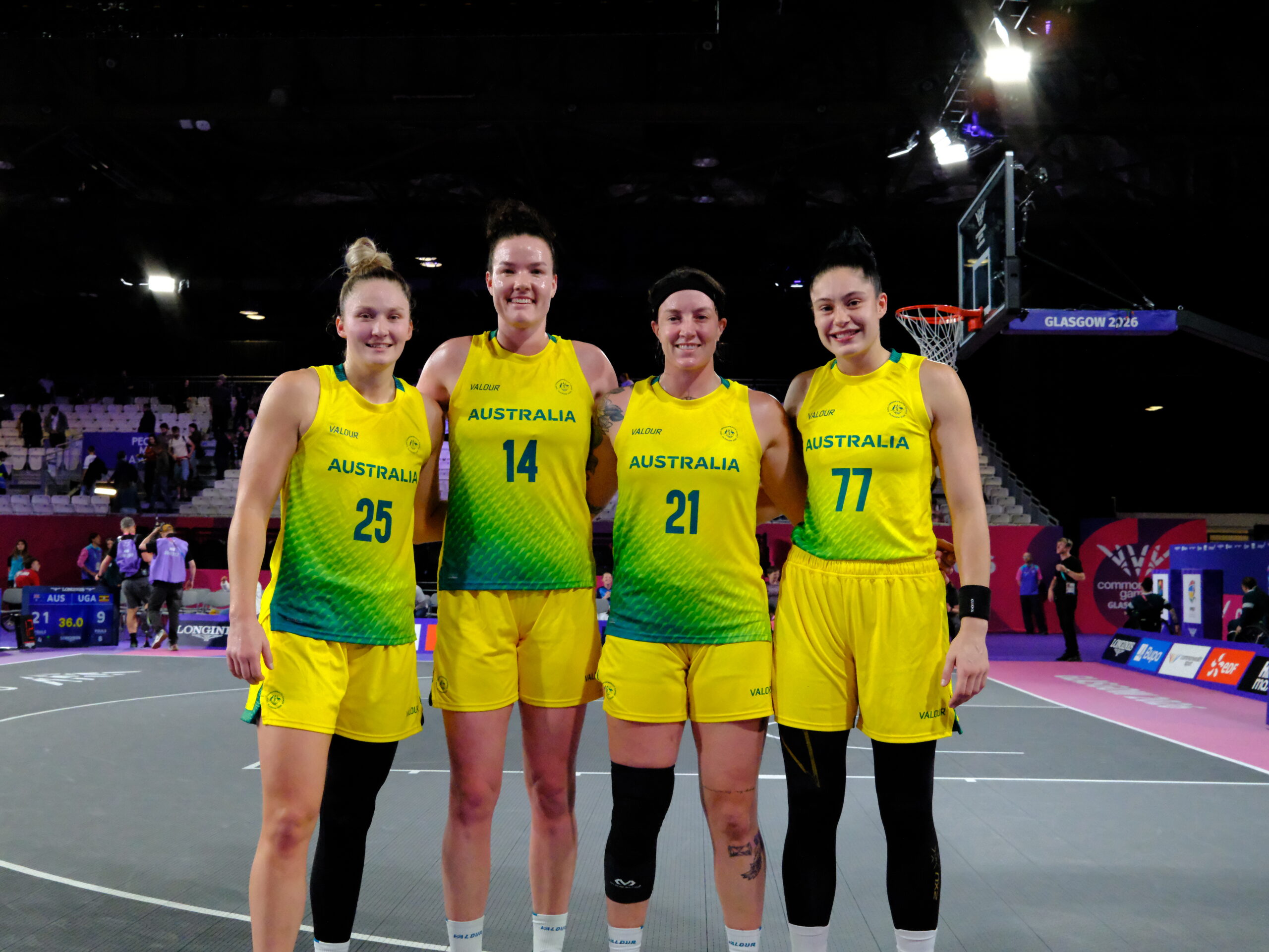
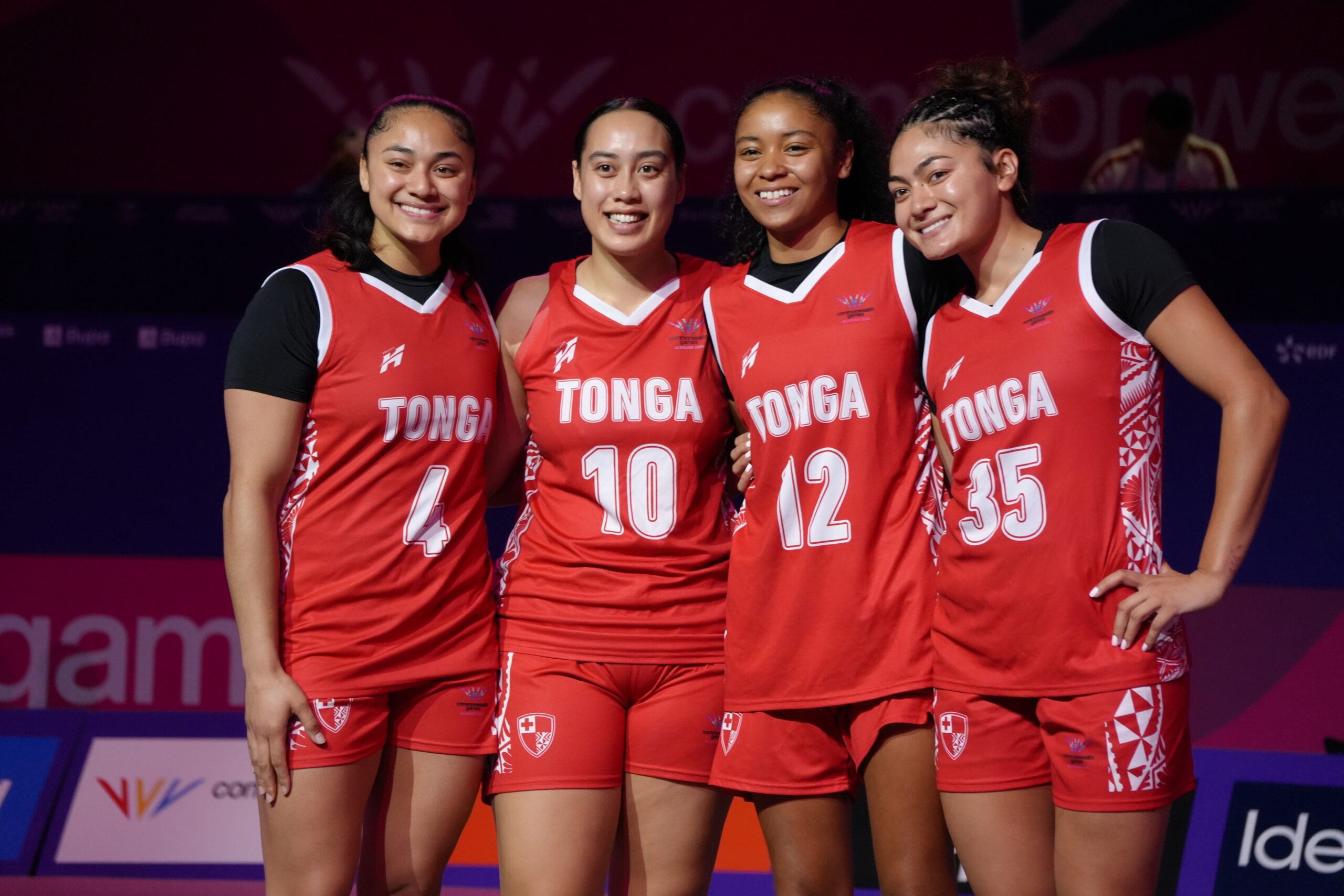
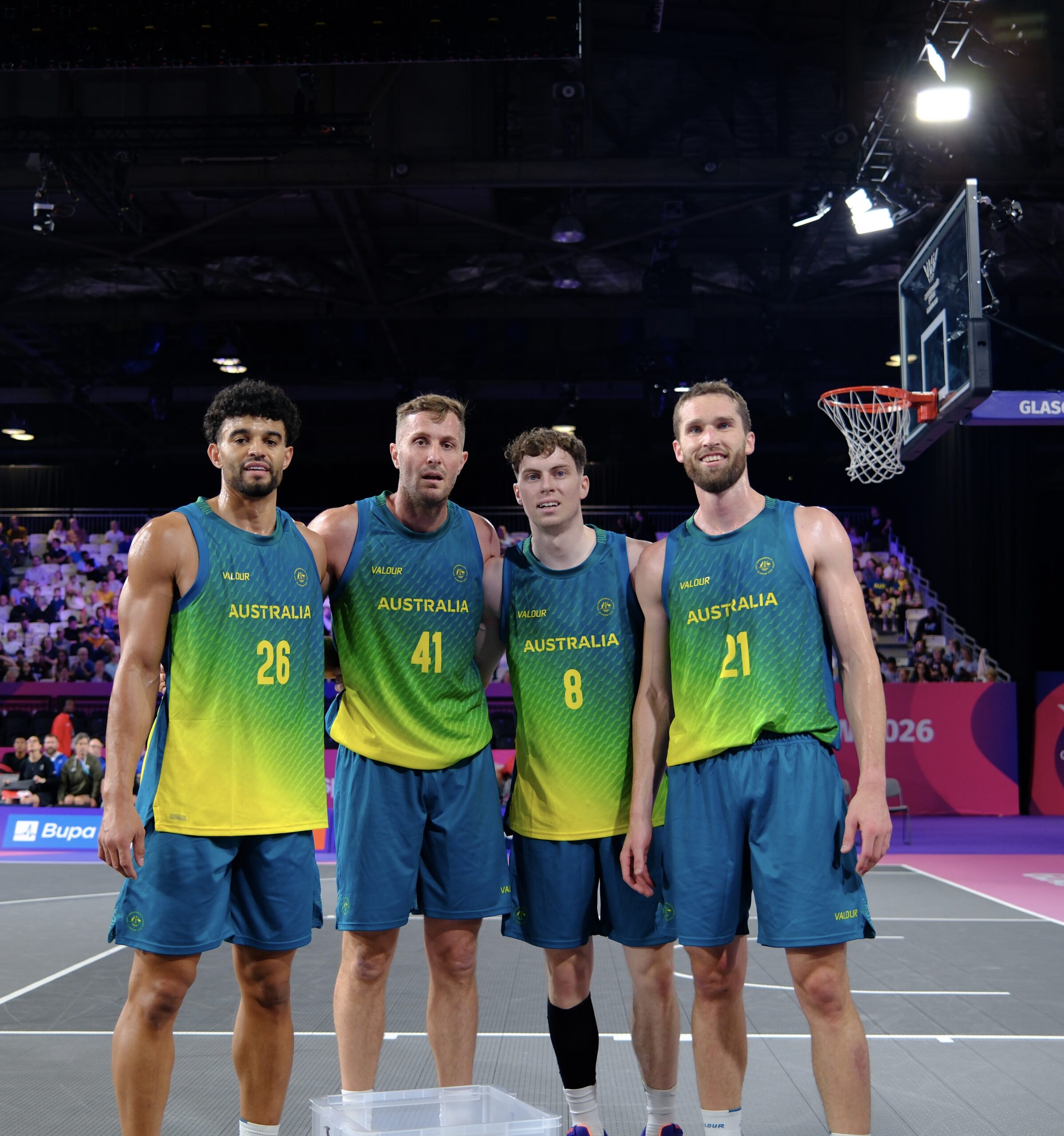
At the Commonwealth Games, Australia secured multiple podium finishes, New Zealand claimed bronze in the women’s event, and Tonga achieved an impressive sixth-place finish, one of the nation’s strongest results in international basketball. In the Women’s Fiji finished tenth with Papua New Guinea in eleventh at their Comm Games Debut. The men from New Zealand finished fourth with Fiji in tenth.
Across the global 3×3 circuit, Oceania teams delivered standout performances:
- Australia women finished 6th and men 5th at the FIBA 3×3 Champions Cup.
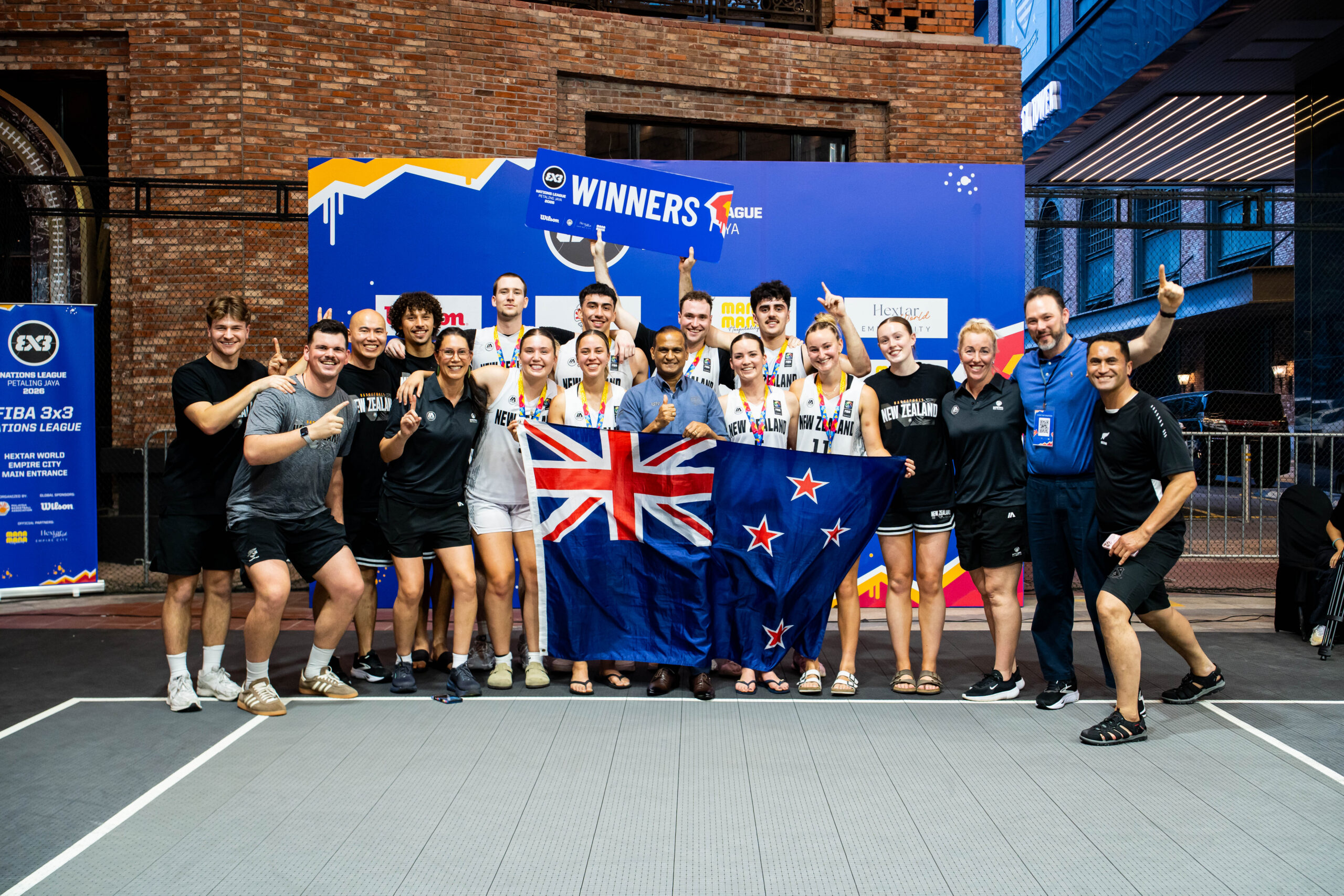
- At the FIBA 3×3 Asia Cup, New Zealand men won gold, while Australia women claimed gold with Tonga women also making it through to the main draw to finish eleventh.
- New Zealand men finished second at the World Cup Qualifier, and at the FIBA 3×3 World Cup, Australia women earned silver.
- Multiple Women’s Series stops saw Australia and New Zealand consistently inside the top 15, including Australia’s gold in Sumgait and New Zealand’s 5th place in Xiantao.
- On the Challenger circuit, Christchurch (NZL) finished 10th at the Sukhbaatar Challenger.
- Youth Nations League results saw New Zealand’s U21 men and women both finish third, while in the Asia 2 conference, the New Zealand men topped the standings with the women finishing third.
YOUTH BASKETBALL
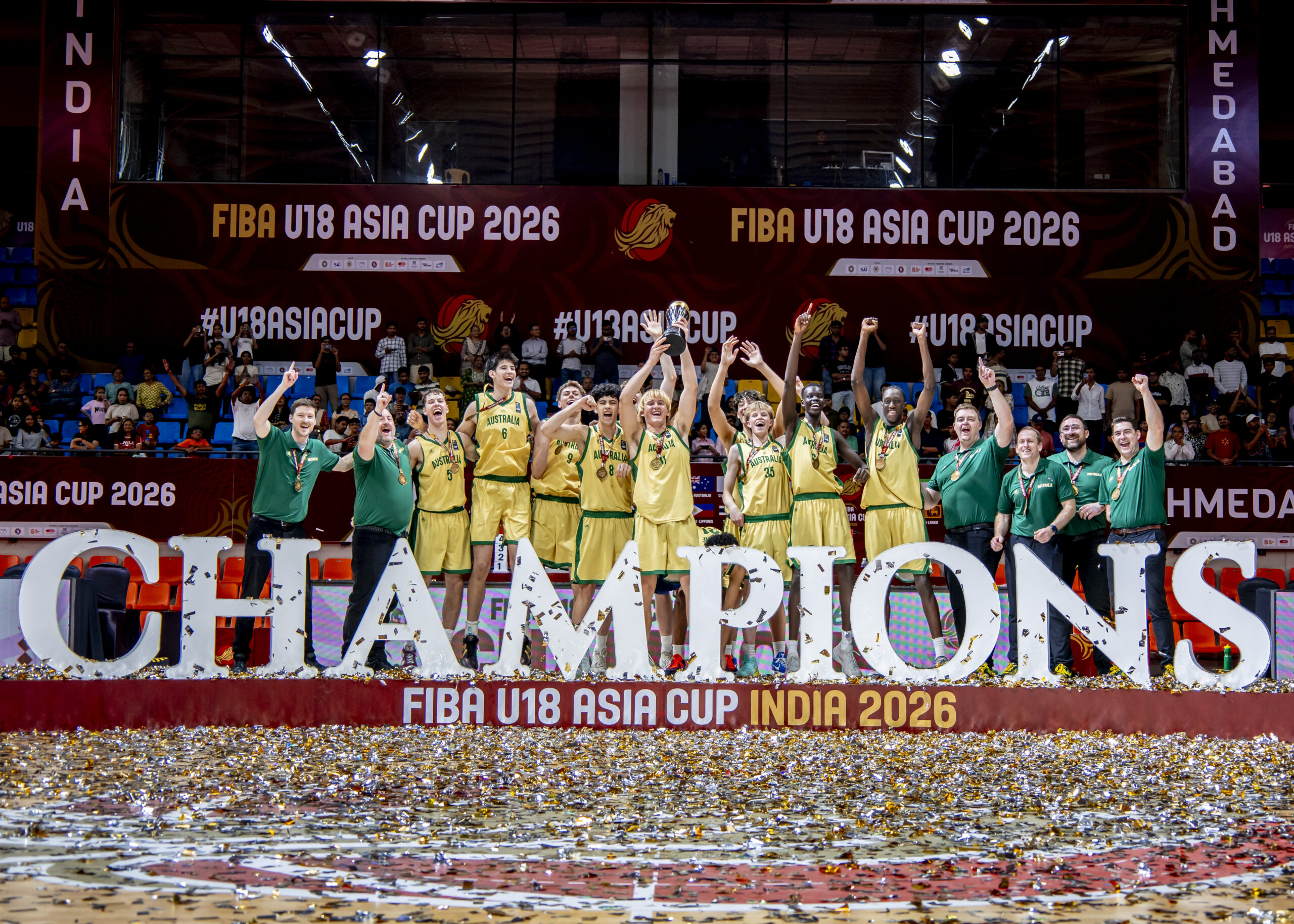
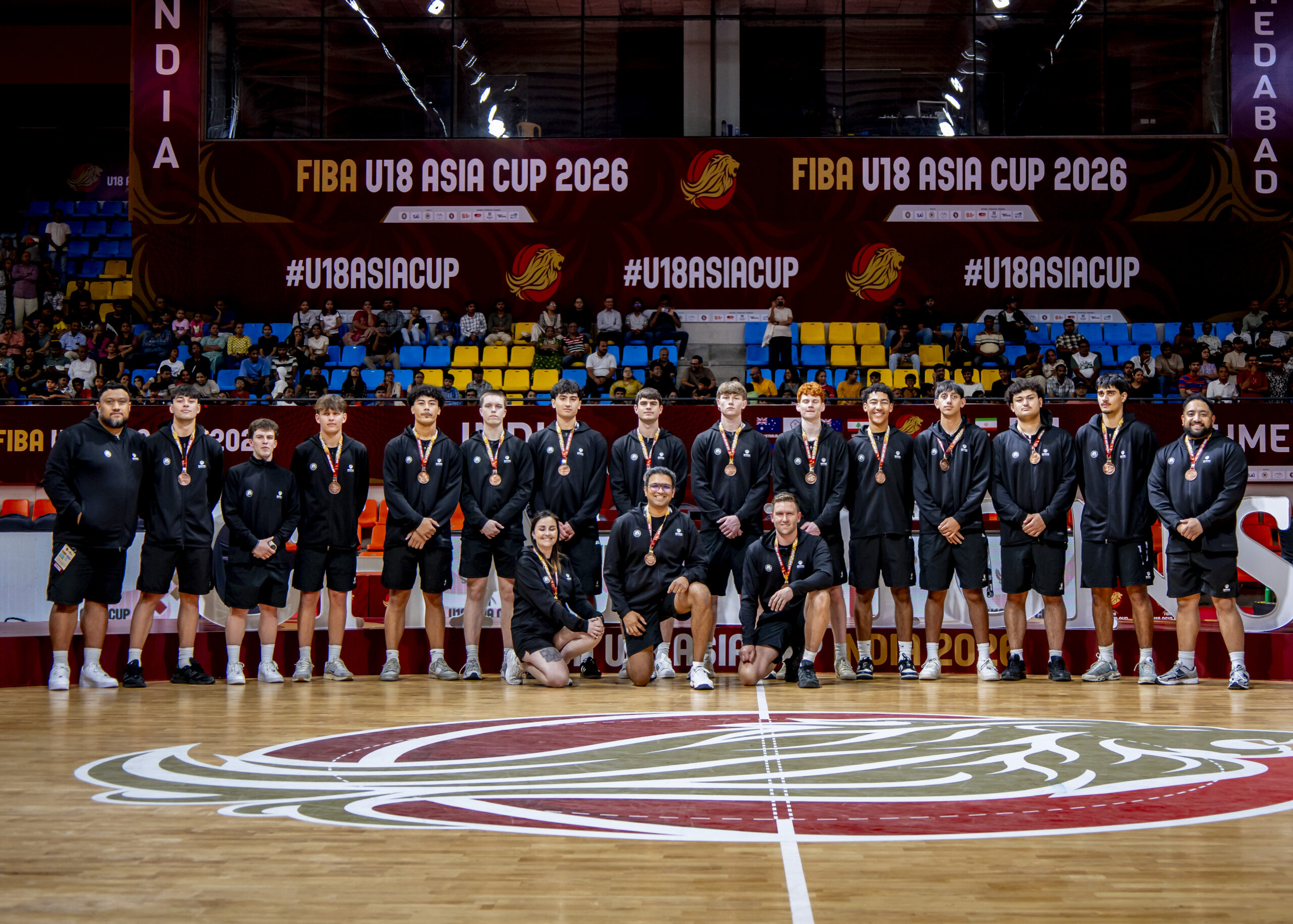
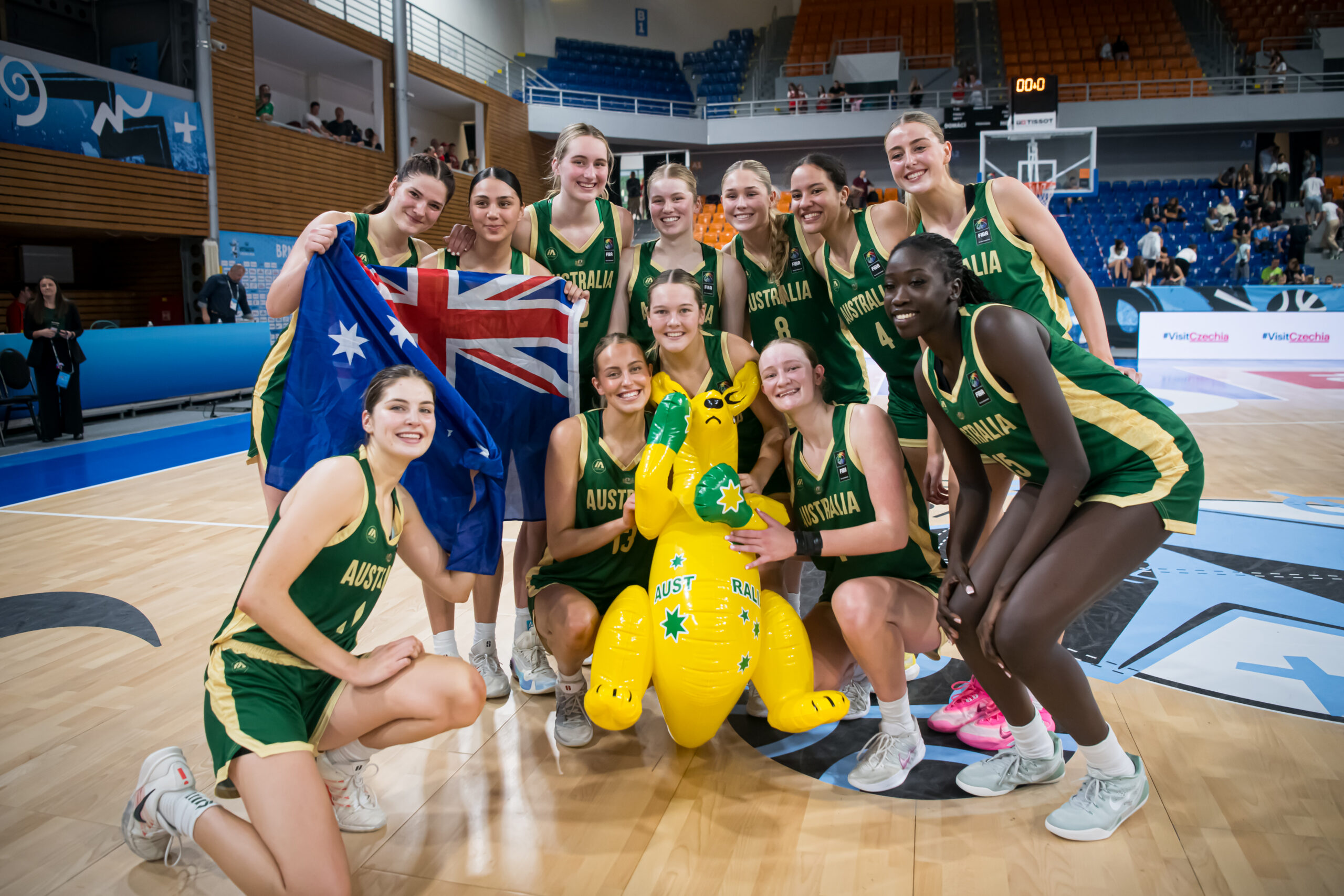
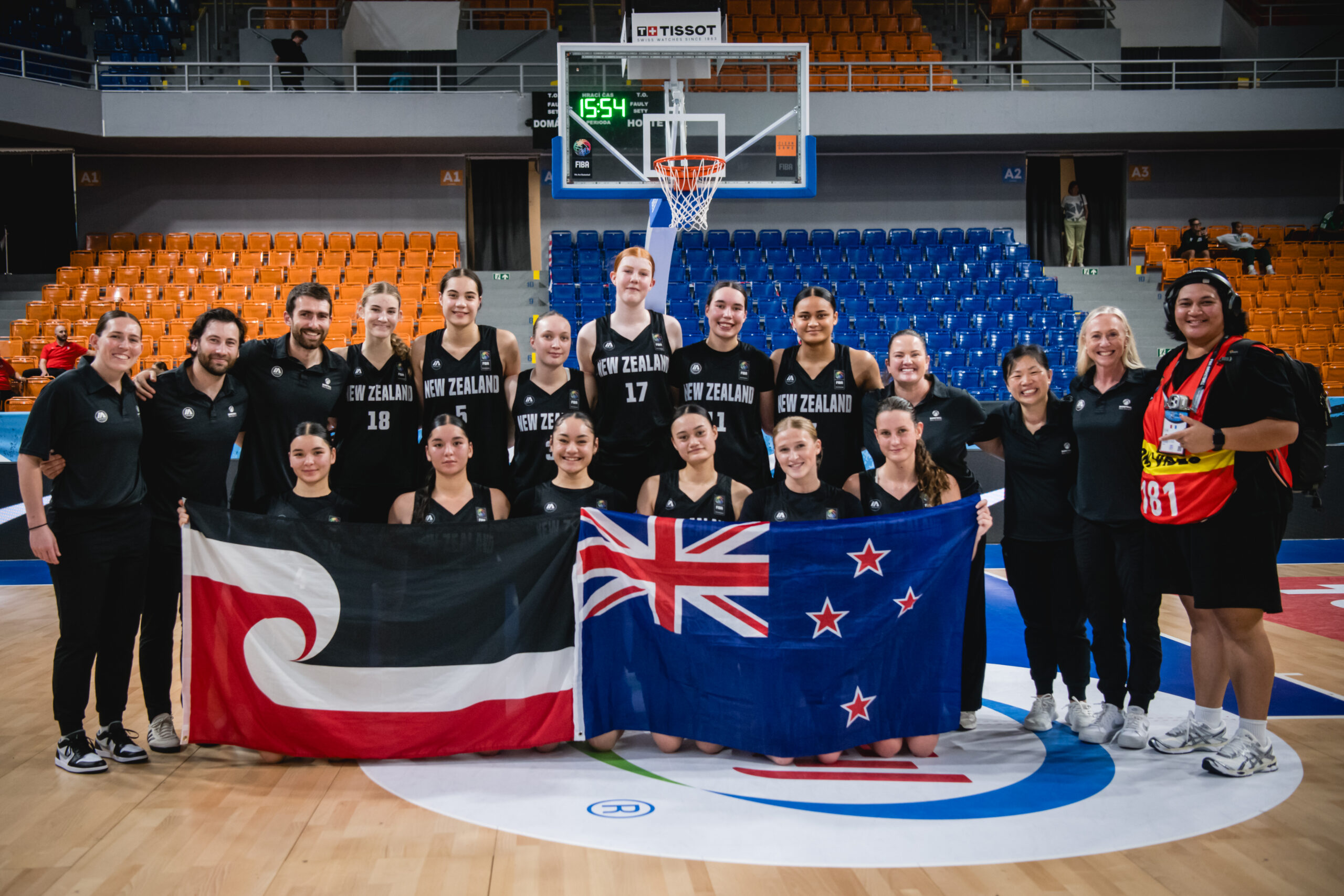
Youth performance remained a regional highlight. Australia defended their title at the FIBA U18 Asia Cup, with New Zealand finishing third. At the FIBA U17 World Cups, Australia secured bronze in both men’s and women’s competitions, while New Zealand achieved their highest-ever women’s youth finish, placing fifth.
In Division B of the FIBA U18 Women’s Asia Cup, Samoa finished fifth and the Cook Islands placed seventh in their historic debut, marking an important milestone for women’s basketball development in the Pacific. Samoa’s participation also spotlighted emerging leadership stories shaping the next generation of women in basketball.